Contents
How to know your skin type: what the test actually measuresWash, wait, press a tissue: the three-step self-testT-zone and cheeks: note them separatelyThe five skin types side by sideCan a photo show your skin type? It shows shine, not typeFAQKey points
- Five types: normal, dry, oily, combination, sensitive. The first four are about oil; sensitive is about how easily skin stings.
- Sources wait anywhere from 15 minutes to an hour. Pick one; keep cleanser and time of day the same.
- The T-zone is oilier than the cheeks on nearly everyone, so note the two separately.
- A photo shows shine and evenness, not type. Type shifts with season and climate.
How to know your skin type: what the test actually measures
The usual split has five types: normal, dry, oily, combination, sensitive. The first four answer one question: does your skin make enough oil, or a lot? Sensitive answers another: does it sting easily?
Counterintuitively, the worst moment to judge is right after washing. Cleanser has just removed the surface oil, so oily skin feels tight too. Oil takes a while to return and spread. What the test measures is how much has come back after a set wait.
A photo cannot do it either: its shine is part oil, part light and timing (see the last section).
Wash, wait, press a tissue: the three-step self-test
- Wash with your usual gentle cleanser and pat dry.
- Put nothing on. Wait.
- Press a tissue on your forehead, nose, chin and cheeks. Does the face shine? Is there oil on the tissue? Then touch: tight, or flaking?
The wait depends on whom you ask. A dermatology reference says one hour; a Japanese skincare writer uses water only and 15 minutes; one dermatologist says at least 20 to 30 minutes, and warns that unless cleanser and timing are fixed, the test cannot separate dry from oily. Foaming cleansers make almost anyone seem dry; cream cleansers leave oil.
So run it like an experiment: one wait, the same cleanser, the same time of day, results written down.
T-zone and cheeks: note them separately
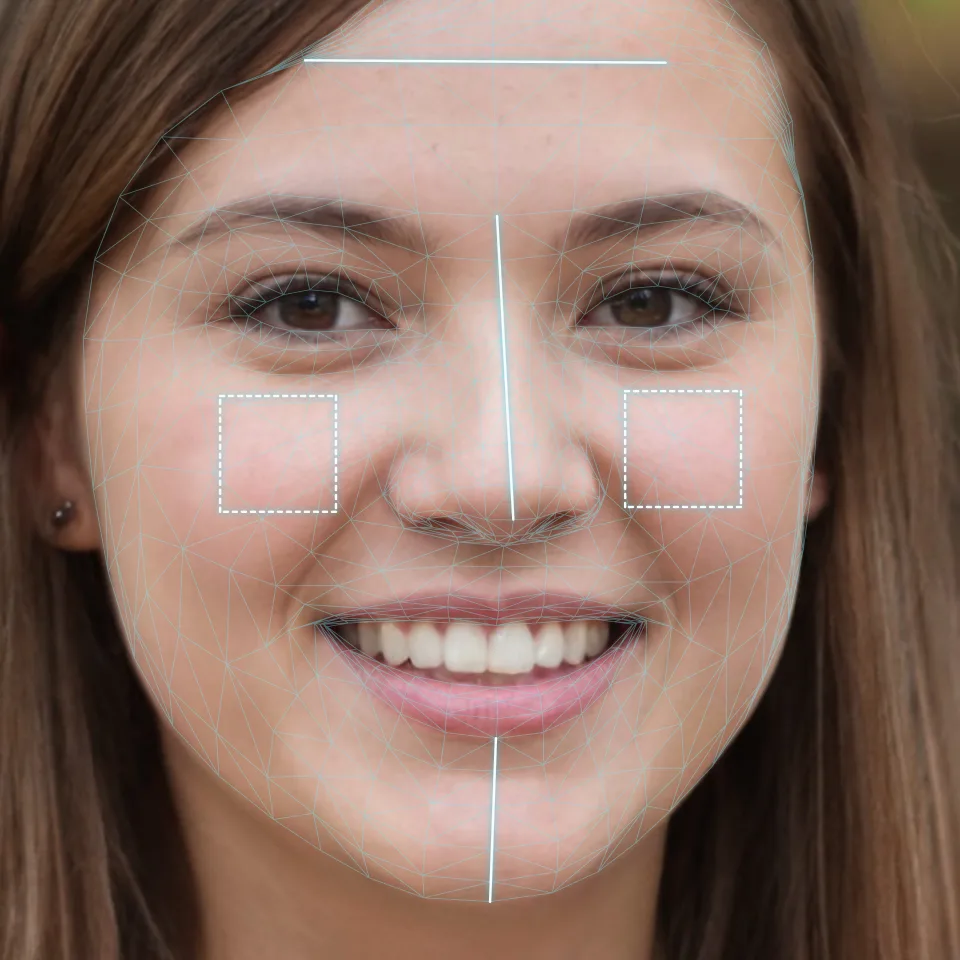
The T-zone runs across the forehead, down the nose and onto the chin. Its oil glands are more active, so on nearly everyone it is oilier than the cheeks. One word, “oily” or “dry”, erases that.
Keep two columns: T-zone and cheeks. An oily T-zone with normal or dry cheeks is usually called combination skin; a dermatology reference says many people fall here.
Sources disagree here. The dermatologist above does not count combination as a type: a T-zone oilier than the cheeks is normal, she calls it oily, and she reads much “combination” as skin that changes with the climate. Either way, daily care is the same: treat the two areas separately.
The five skin types side by side
| Type | T-zone after the wait | Cheeks | How it feels |
|---|---|---|---|
| Normal | No shine, clean tissue | Same | Comfortable |
| Dry | No shine, clean tissue | Tight, may flake | Tight, rough |
| Oily | Shiny, oil on tissue | Shiny too | Greasy |
| Combination | Shiny, oil on tissue | Normal or dry | The two areas differ |
| Sensitive | Any | Any | Stings easily, most of all when washing |
Your type changes the moisturiser: lotion for normal, cream or ointment for dry, gel or very little for oily, and for combination the dry areas only. For the routine, see basic skincare routine. A result between two types may mean an unsettled week; retest another day.
Can a photo show your skin type? It shows shine, not type
A photo records one moment’s shine, not a day’s oil. Just after washing and late afternoon, the bright spots differ. In hot weather oil thins and spreads, so a face looks oilier without making more.
Take the sample photo: even front light, a square patch on each cheek and the forehead, not one clipped pixel. The cheeks’ median brightness is 201 and 197. That says the light was even, nothing about skin type. A face report built from a photo can show how even the skin looks in that shot, but not skin type.
Skin type also moves, oilier in hot, humid weather and drier in cold, dry weather, so retest after a season change or a move. If a product stings, burns or causes a rash, stop using it; if skin trouble persists, see a dermatologist. Why two cheeks can differ in one photo: see uneven skin in photos.
FAQ
Is sensitive skin a skin type?
In the usual five-way split, yes. It describes a reaction, not oil: skin that stings easily, especially when washing, and dries or reddens easily. It can come with dry or oily skin.
Can I do the test with water only?
Yes. A Japanese skincare writer uses lukewarm water in the morning, a dry towel, nothing applied and a 15-minute wait, then looks and touches.
How often should I retest?
No set schedule. Retest when the season changes, after moving to another climate, or when familiar products feel too heavy or too light.