Start here
Front-facing photo: angle, light and distance
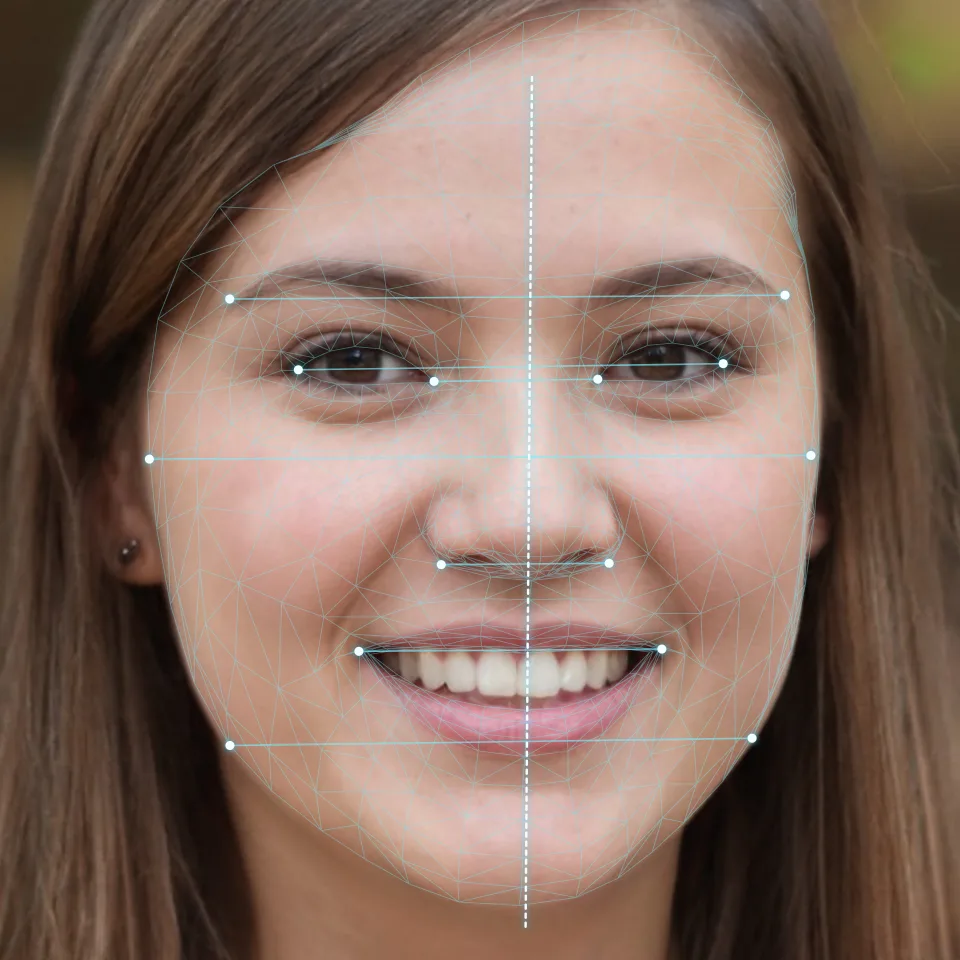
Front-facing photo for reading proportions: angle, light and distance, plus a nine-row checklist of what to do and what goes wrong. Test a shot free.
Read the overview4 min read
How to take a front-facing photo, why selfies distort, why mirrors and photos differ, and how light, angle, expression, glasses and filters change a face.
Change the angle, light, distance or expression and the proportions in a photo change with them. This topic is for anyone who has looked at a photo and wondered “do I really look like that?”, and for anyone who wants a front-facing photo they can trust for reading proportions and face shape. By the end you will know the main reasons a photo alters a face, why a flattering profile picture and a measurable front-facing photo are two different shots, and why the mirror and other people show you different faces.
Start with the front-facing photo guide: angle, light and distance, plus a checklist to run through before you press the shutter. Then read by the problem you have. If your nose looks big in selfies, read selfie distortion. If half your face is dark or your head is a little tilted, read selfie lighting and head angle in photos. For how much a smile changes things, read smiling and face proportions. If you wear glasses or have bangs, read photos with glasses. If you think a photo has been edited, read beauty filters. And if you prefer your mirror image, read why you look different in photos.
The starting point here is plain: a photo is not your face. It is how your face looked at one moment, from one distance and in one light. Once you know which of those is moving, you know which numbers to trust and which photos to retake.
Front-facing photo for reading proportions: angle, light and distance, plus a nine-row checklist of what to do and what goes wrong. Test a shot free.
Get three things right: the angle (phone at eye level, face square to the lens, head not tilted, tipped or turned), the light (even and from the front) and the distance (stand 1.5–2 m back rather than using a close front camera; a rear camera with a timer is steadier). Show your forehead and ears, switch beauty mode off and relax your face.
The closer the phone is to your face, the more the nearest part is enlarged, and that is usually the nose, while the ears and the sides of the face shrink. Distance causes it, so a different lens or cropping afterwards will not fix it; standing further back does.
Neither is quite it. A mirror flips left and right, and the flipped version is the one you know best, while a selfie is usually taken from very close. Other people see an unflipped face, from further away, and it moves.