What this topic covers, and where to start
Classical sculpture and Renaissance painting show faces that look balanced, and that gave rise to a popular claim: the ancients found the proportions of beauty. This topic takes the claim apart. What was written down in ancient texts, what were drawing rules painters used to lay out a head, and what was actually measured on real people later? It suits anyone interested in faces in art history, and anyone who wants to know whether facial thirds and the golden ratio have a source.
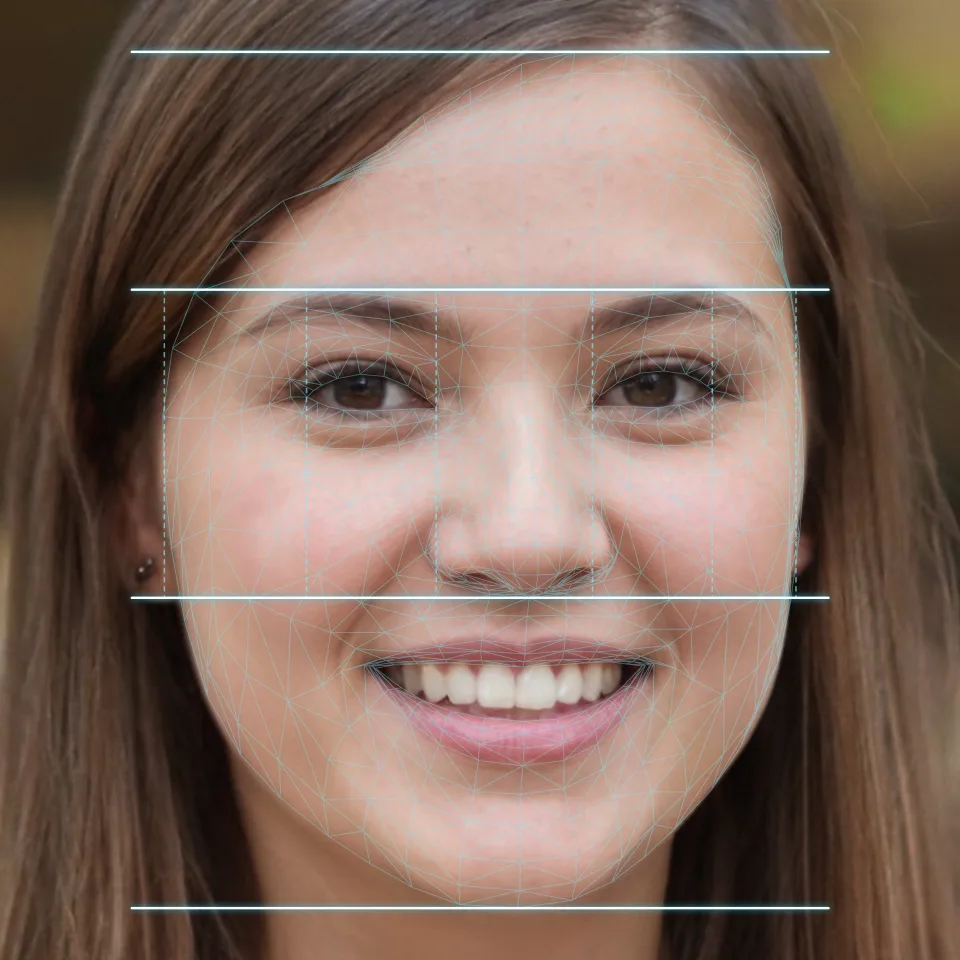
Start with classical face proportions, which separates the three kinds of claim and measures a sample photo against them. Then read Greek sculpture faces: those calm, even faces are mostly idealised figures built on ratios, and what we see today is mostly Roman copies whose paint has long worn away. Last comes Renaissance head proportions, on what Cennini, Leonardo and Dürer each left behind and how to check the two rules most worth testing yourself.
Note that these are all face proportions, not a verdict on any face. The rules the old masters left are drawing tools, and when real faces are measured against them, not matching is the normal outcome. After reading you will see more clearly where a well-worn claim stands up and where it does not.